
Limerick and Germany 1709–2026 explores the people, industries, and partnerships that have shaped relations between the two regions. The exhibition begins with the arrival of the Palatines, Lutheran Protestant refugees who settled in West Limerick in 1709. Around 130 families established themselves near Rathkeale, with their farming traditions and cultural heritage remaining a significant part of the region on 23 November.
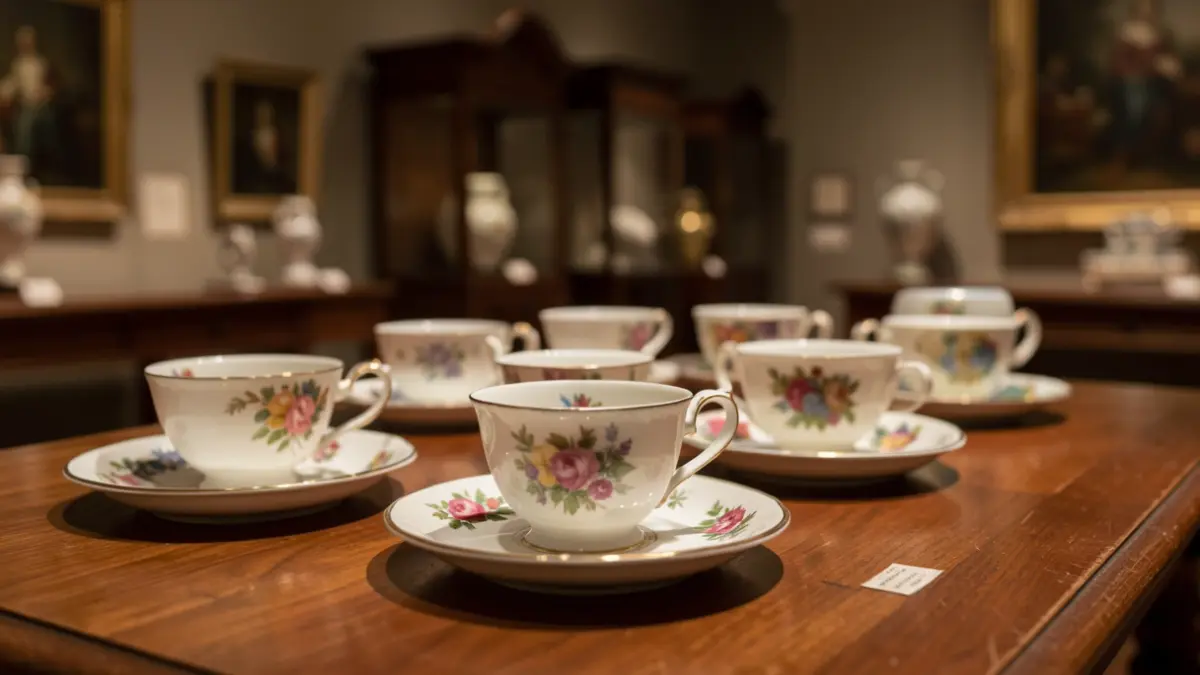
The display highlights three major industrial connections from the 20th century. In the 1920s, the German company Siemens-Schuckert played a central role in constructing the Shannon Hydroelectric Scheme at Ardnacrusha, employing over 5,000 workers at its peak. Later, the Saar family established Irish Dresden in Dromcollogher in 1962, building an international reputation for porcelain. Additionally, German manufacturer Krups opened its Roxboro factory in Limerick City in 1964, which became a major employer until its closure in 1999.
The launch event also marked the presentation of Voices of Krups, an audio-visual oral history project developed by the Centre for Irish German Studies at the University of Limerick. The project captures personal memories of former employees, preserving the history of one of the city’s most significant employers.
“"From the Palatine families who made their home in West Limerick to the workers who built Ardnacrusha and staffed Krups, Limerick and Germany have been closely linked for more than 300 years. Our pairing with Germany during Ireland’s EU Presidency is a fitting way to honour that history."
The exhibition is located in the Old Franciscan Friary on Henry Street. It is open Monday to Friday from 10am to 5pm, and on Saturdays from 10am to 1pm and 2pm to 5pm. Admission to the exhibition is free.